
2026 Conference Program
12:00 PM - 1:00 PM
Registration
Tuesday, June 2
12:00 PM - 1:00 PM
1:00 PM - 1:10 PM
Land Acknowledgement & Opening Remarks
Tuesday, June 2
1:00 PM - 1:10 PM
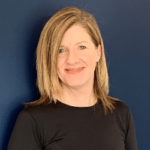 |
Alison Cocking, BSc. PT, M.Ed. Managing Director Insight Health Solutions, Trillium Health Partners |
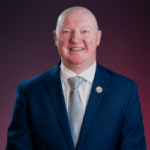 |
Scott Maxwell Chief Executive Officer Wounded Warriors Canada |
1:10 PM - 4:00 PM
Therapy vs. Reality for First Responders: Bridging the Gap Between the Clinical and Operational Worlds”
Tuesday, June 2
1:10 PM - 4:00 PM
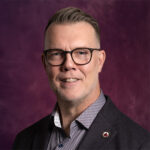 |
Dr. Tim Black, PhD, R. Psych. National Clinical Director Wounded Warriors Canada |
 |
Dr. Nick Carleton, Ph.D., R.D. Psych. Professor of Clinical Psychology University of Regina |
 |
Dr. Nadia Aleem, Psychiatrist, MD, MHSc CCFP, FRCP Mental Health Lead Insight Health Solutions, Trillium Health Partners |
Join us for a half-day workshop focused on building connections through formative, in-depth discussions on how to connect and integrate the “world of therapy” with the “real-life world” of Trauma Exposed Professionals (TExP) and their families (TExF). All are invited to attend to learn, share, and contribute to the roundtable discussions of successes, challenges, barriers, and future solutions for addressing the gaps between counselling/psychotherapy and operational reality for first responder communities. This unique event will be facilitated by Drs. Nick Carleton, Tim Black, and Nadia Aleem with a focus on making and strengthening connections, while building bridges between the clinical and operational worlds.
2:15 PM - 2:30 PM
Refreshment Break
Tuesday, June 2
2:15 PM - 2:30 PM
4:30 PM - 6:30 PM
Reception
Tuesday, June 2
4:30 PM - 6:30 PM
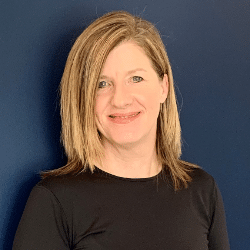
Alison Cocking, BSc. PT, M.Ed.
Managing Director
Insight Health Solutions, Trillium Health Partners
Alison Cocking is a strategic healthcare leader who serves as Trillium Health Partner’s Managing Director, Insight Health Solutions, one of Canada’s largest hospital-based disability management third-party programs. As a senior leader in the healthcare sector, Alison has over three decades of experience leading high functioning teams and programs in their delivery of impactful value-based quality services. The ability to financially contribute Insight’s profits to the hospital’s programs and services to help create a new kind of healthcare for a healthier community, is what drives and inspires her. Alison is a UK-trained Physiotherapist with a Master’s degree in Education from the University of Toronto. An avid kayaker, hiker, traveler and general enthusiast of the great outdoors, Alison’s goal is to have visited 100 countries by 2045.
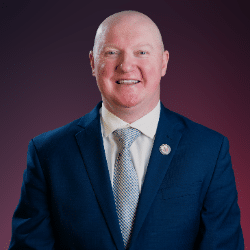
Scott Maxwell
Chief Executive Officer
Wounded Warriors Canada
A dedicated public servant, mental health champion, and not-for-profit business leader, Scott Maxwell is the Chief Executive Officer of Wounded Warriors Canada. Scott’s unique experience intersects public policy, politics, and non-profit business strategy and development. His passion for those who so bravely serve Canada stems from his high school friend, Trooper Darryl Caswell, who was killed by a roadside bomb in Afghanistan on June 11, 2007.
As CEO of Wounded Warriors Canada, the country’s largest non-profit mental health training and counselling provider for Veterans, First Responders and their families, Scott successfully transformed what was a regional, volunteer-based initiative into an organization providing support to over 30,000 trauma exposed professionals and their families each year.
7:30 AM - 8:30 AM
Registration & Breakfast
Wednesday, June 3
7:30 AM - 8:30 AM
8:30 AM - 8:40 AM
8:40 AM - 8:50 AM
Message from Government of PEI
Wednesday, June 3
8:40 AM - 8:50 AM
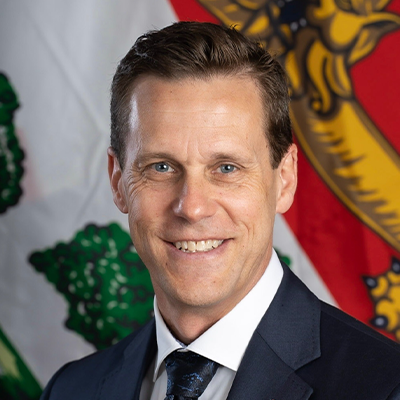 |
Honourable Rob Lantz Premier of Prince Edward Island |
8:50 AM - 9:00 AM
Message from our National Sponsor
Wednesday, June 3
8:50 AM - 9:00 AM
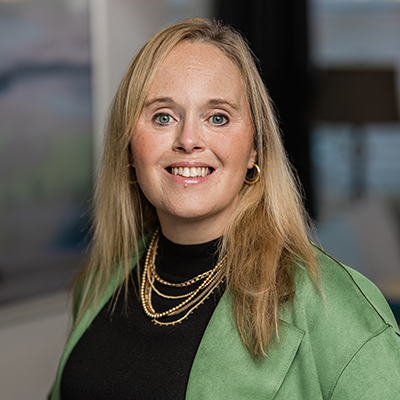 |
Deanna Brady Vice-President of Patient Access and Partner Experience Homewood Health |
9:00 AM - 10:00 AM
Setting the Tone
Wednesday, June 3
9:00 AM - 10:00 AM
Plenary Speakers
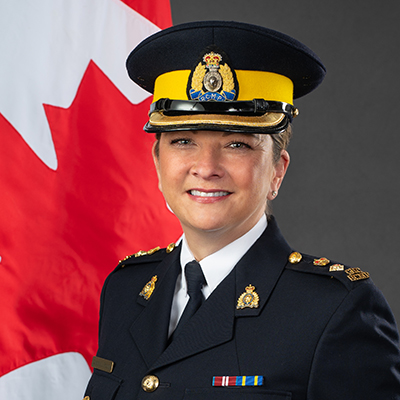 |
Dustine Rodier Superintendent Royal Canadian Mounted Police |
10:00 AM - 10:30 AM
Refreshment Break
Wednesday, June 3
10:00 AM - 10:30 AM
10:30 AM - 11:45 AM
Morning Workshop #1
Learning from cross-sectional and longitudinal studies of all 14 correctional services in Canada: Health, Wellbeing, and Reducing the "pains of employment"
Wednesday, June 3
10:30 AM - 11:45 AM
 |
Dr. Rosemary Ricciardelli Memorial University |
In this talk, I reflect on core findings from two major research projects: the Correctional Worker Mental Health and Well-being Study (MHWS) and the Canadian Correctional Workers’ Well-being, Organizations, Roles, and Knowledge Study (CCWORK). The MHWS includes a survey of anyone working in any role in each provincial and territorial correctional service in Canada. The study uses a replication design for each service, where each of the 13 surveys share core questions yet are also individualized based on the needs of the service. The surveys were administered prior to the onset of COVID-19 in Ontario, New Brunswick, Nova Scotia, Newfoundland and Labrador, Manitoba, Saskatchewan, and Yukon. The services in Alberta, British Columbia, Quebec, Northwest Territories, Nunavut were surveyed during the COVID-19 pandemic. In the CCWORK study, we study correctional officers longitudinally from recruitment to (currently) the eight year of their employment, tracking their experiences with changing health as informed by the work, policies, and their environment. The CCWORK study uses three methods for data collection: 1) in-depth semi-structured annual interviews; 2) annual clinical interviewing using the MINI; 3) an online self-report annual survey. From these two datasets, I talk about correctional worker mental health (including prevalence of mental health disorders), well-being, and organizational considerations that are shared to some degree across all correctional services in Canada. I further expand using work I am doing in the United States and Uganda to speak to global challenges as I explore the state of safety, security, and wellness in correctional services with recognition of how all that constitutes trauma informs both culture and climate. I address how linchpin factors (e.g., outcomes from short staffing, training, retention and recruitment challenges, resources, investigations, gossip) found across federal, provincial, and/or territorial correctional organizations shape health and cultural outcomes for people working in correctional services. I close by proposing areas of focus for correctional organizations (e.g., supportive environments, less gossip, more teamwork/teamliness) to cultivate a positive correctional culture and climate and potentially reduce compromised health and other related issues.
Morning Workshop #2
Operational Stress Intervention Dogs: a calming presence and support for Public Safety Organizations
Wednesday, June 3
10:30 AM - 11:45 AM
 |
Mike Annan Director of Service Dogs BC & Alberta Guide Dogs |
This session explores the role of Operational Stress Intervention Dogs (OSIDs)—specialized working dogs that support trauma-exposed professionals in high-stress environments. Falling under the umbrella of Animal Assisted Interventions, OSIDs are selected for their exceptional stress-modulation capacity and trained to perform a minimum of three therapeutic tasks tailored to their placement setting.
Unlike service dogs trained for a single individual, OSIDs work with multiple clients in diverse workplace contexts, such as law enforcement agencies and mental health facilities. Attendees will learn how OSIDs are trained to detect and respond to environmental and interpersonal signs of stress or anxiety through interventions like deep pressure therapy, agitation alerts, grounding cues, and mood-enhancing activities.
The session will also address co-ownership models between organizations and client agencies, ongoing skill maintenance for both dogs and handlers, and the importance of staff-wide awareness to ensure consistent, effective use of the dogs in operational settings.
Participants will leave with a clear understanding of the science, training methodology, and organizational frameworks that make OSIDs a powerful tool for promoting resilience, emotional regulation, and recovery in high-stress professional environments.
Morning Workshop #3
Transforming Claims Service Delivery: Supporting Recovery, Return to Work, and the Trauma-Exposed Professionals Behind the System
Wednesday, June 3
10:30 AM - 11:45 AM
 |
Allison Wyatt, B.A.S., CRSP Director, Claims & Compensation WCB PEI |
Workers’ compensation systems supporting first responders and trauma-exposed workers must balance compassion, efficiency, and effective recovery outcomes. Achieving this balance requires organizations to continually evolve how they design processes, support their teams, and deliver services.
This session explores the Workers Compensation Board of Prince Edward Island’s claims business transformation and process review, focusing on how operational efficiency and thoughtful change management can strengthen outcomes for both injured workers and the professionals who support them. Participants will gain insight into how reviewing claims workflows, reducing administrative friction, and modernizing service delivery models can create more responsive systems that prioritize recovery and safe return to work.
The session will also examine the internal leadership and change management strategies required to support teams through transformation. Recognizing claims professionals as trauma-exposed service providers themselves, the discussion will explore how organizational culture, staff supports, and clear process design can help teams perform at their best while navigating complex and often emotionally demanding work.
Finally, the session will highlight emerging and innovative treatment approaches for first responders and workers exposed to traumatic workplace events, with an emphasis on collaborative care models that support recovery, resilience, and sustainable return to work.
Through practical examples and reflection on organizational change, participants will leave with ideas for strengthening operational effectiveness while maintaining a service model grounded in empathy, recovery, and meaningful outcomes for those they serve.
11:45 AM - 12:45 PM
Lunch
Wednesday, June 3
11:45 AM - 12:45 PM
12:45 PM - 1:00 PM
Plenary Session
Year 1/Day 1 Recap
Wednesday, June 3
12:45 PM - 1:00 PM
|
Dr. Tim Black, PhD, R. Psych. National Clinical Director Wounded Warriors Canada |
|
Dr. Nick Carleton, Ph.D., R.D. Psych. Professor of Clinical Psychology University of Regina |
|
Dr. Nadia Aleem, Psychiatrist, MD, MHSc CCFP, FRCP Mental Health Lead Insight Health Solutions, Trillium Health Partners |
In this workshop, Dr. Aleem will lead an exploration of the multiple domains of disconnection that contribute to the onset and maintenance of impairment from trauma symptoms. The workshop will explore the value and evidence behind strategies to promote re-connection with identity, the physical self, family, community and purpose in supporting prevention and treatment of trauma symptoms.
1:00 PM - 2:00 PM
Keynote Address
Wednesday, June 3
1:00 PM - 2:00 PM
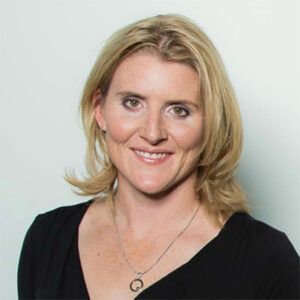 |
Dr. Hayley Wickenheiser Four-time Olympic Gold Medalist | Member of the Hockey Hall of Fame |
2:00 PM - 2:30 PM
Refreshment Break
Wednesday, June 3
2:00 PM - 2:30 PM
2:30 PM - 3:45 PM
Afternoon Workshop #1
The value of reconnection in preventing and managing the impact of trauma exposure
Wednesday, June 3
2:30 PM - 3:45 PM
 |
Dr. Nadia Aleem Mental Health Lead Insight Health Solutions, Trillium Health Partners |
Afternoon Workshop #2
Bringing Families In: Translating Research into First Responder Care
Wednesday, June 3
2:30 PM - 3:45 PM
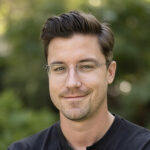 |
Shawn Carter, M.ADS., BCBA, D.Sc(c) National Director, EHN Guardian Clinical Programs EHN Canada |
 |
Emma Vester, MPsy EHN Guardians National Research Coordinator EHN Canada |
Family members play a critical yet often underrecognized role in the mental health, recovery, and long-term functioning of first responders. This session highlights the importance of translating research into practice by merging perspectives from clients, families, and clinical staff. Drawing on recent research examining the lived experiences of first responder families alongside client and provider insights, the presentation identifies key gaps between empirical evidence and real-world care. Findings from studies using qualitative feedback are integrated to illustrate how multiple perspectives can deepen understanding of treatment needs and barriers to engagement. Attendees will gain practical strategies for integrating family-informed research into clinical programming, enhancing engagement, and strengthening outcomes for both first responders and their families. The session demonstrates how triangulated evidence can meaningfully inform program design and service delivery.
Afternoon Workshop #3
Critical Incidents and How to Support Your Staff
Wednesday, June 3
2:30 PM - 3:45 PM
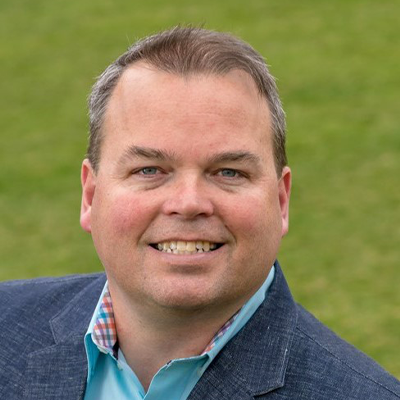 |
Brian Bennett ICISF Approved CISM Instructor Organization: Critical Incident Stress Management (CISM) Training Canada |
First responders are highly trained to manage emergencies—but far less prepared for the psychological impact that follows. After critical incidents such as fatalities, serious injuries, or violence, staff are often left processing intense emotional and physiological reactions. Leaders and supervisors frequently recognize that their teams are struggling, yet feel uncertain about how to respond effectively. This workshop focuses on practical, evidence-informed strategies to support first responders in the immediate and ongoing aftermath of critical incidents. Drawing on over 16 years of experience in Critical Incident Stress Management (CISM), the session provides clear guidance on what to say, what to do, and just as importantly, what to avoid. Participants will learn how to recognize common stress responses, normalize reactions, and implement supportive interventions that promote recovery and resilience. The session will also highlight the role of leadership and peer support in shaping outcomes, emphasizing simple, actionable approaches that can be applied in real-world operational settings. The principles and tools presented are directly transferable to all first responder environments, including fire, EMS, law enforcement, search and rescue, and many others.
3:45 PM - 4:20 PM
Plenary Panel Session
Voices from the frontline
Wednesday, June 3
3:45 PM - 4:20 PM
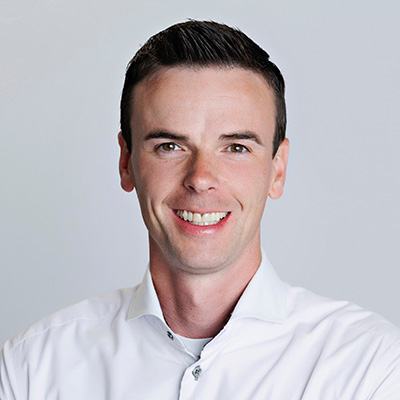 |
Derek Cassista Deputy Registrar Paramedic Association of New Brunswick |
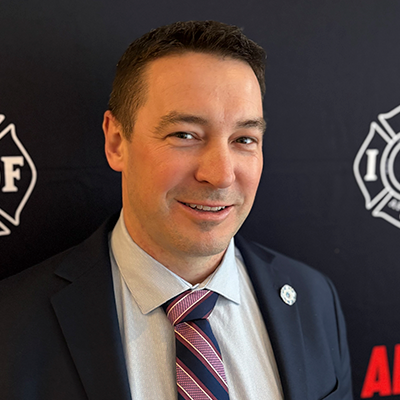 |
Joe Triff President, Atlantic Provinces Professional Fire Fighters Association |
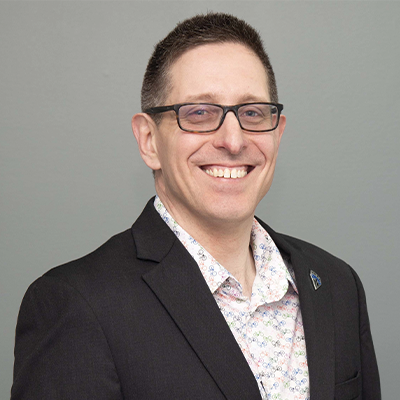 |
Jason Snow Crime Analyst Halifax Regional Police |
4:20 PM - 4:30 PM
Closing Remarks
Wednesday, June 3
4:20 PM - 4:30 PM
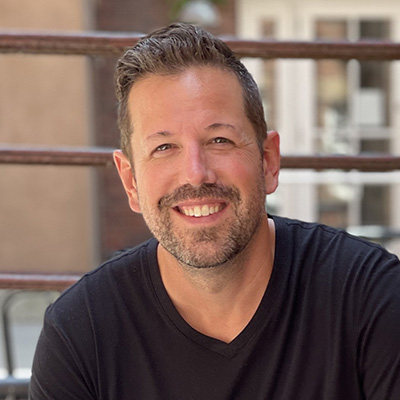
Peter Anthony
Peter Anthony is a Canadian Comedy Award winning comedian (Breakout Artist) and nominee (Best Male Standup) originally from the small town of Pictou, Nova Scotia. His credits include Montreal’s Just for Laughs Festival, CBC’s Halifax ComedyFest, Toronto’s North by Northeast (NXNE) Festival, CBC Radio’s The Debaters, and television appearances on CBC, CTV Comedy, MuchMusic, and MTV.
Outside of the club and festival circuit, Peter performs as the studio warm-up act and writes for CBC's long-running, hit comedy program "This Hour Has 22 Minutes." He also provides corporate entertainment for events and fundraisers with past clients including Tim Hortons, Procter & Gamble, Bell Mobility, Maple Leafs Sports and Entertainment Partnership, SickKids Hospital, and the Royal Nova Scotia International Tattoo.
Alison Cocking, BSc. PT, M.Ed.
Managing Director
Insight Health Solutions, Trillium Health Partners
Alison Cocking is a strategic healthcare leader who serves as Trillium Health Partner’s Managing Director, Insight Health Solutions, one of Canada’s largest hospital-based disability management third-party programs. As a senior leader in the healthcare sector, Alison has over three decades of experience leading high functioning teams and programs in their delivery of impactful value-based quality services. The ability to financially contribute Insight’s profits to the hospital’s programs and services to help create a new kind of healthcare for a healthier community, is what drives and inspires her. Alison is a UK-trained Physiotherapist with a Master’s degree in Education from the University of Toronto. An avid kayaker, hiker, traveler and general enthusiast of the great outdoors, Alison’s goal is to have visited 100 countries by 2045.
Scott Maxwell
Chief Executive Officer
Wounded Warriors Canada
Scott is a dedicated public servant, mental health champion, and not-for-profit leader.
Scott’s unique experience intersects public policy, national and provincial government, and non-profit business strategy and development.
His passion for those who bravely serve Canada stems from his high school friend, Trooper Darryl Caswell, from Bowmanville who was killed by a roadside bomb in Afghanistan on June 11, 2007.
As CEO of Wounded Warriors Canada, the country’s largest non-profit mental health training and counselling provider for Veterans, First Responders and their families, Scott successfully transformed what was a local volunteer-based initiative into a national organization that provides support to over 30,000 trauma exposed professionals and their families each year.
Scott has been awarded the Minister of Veterans Affairs Commendation, the Queen’s Platinum Jubilee Medallion and the King’s Coronation Medal for Service to Canada.
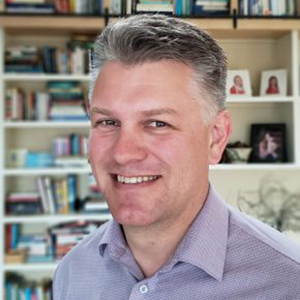
Dr. Paul Robert Thomas Atkinson, BSc (Hons), MB BCh BAO, MA (Cantab), FRCEM, FRCPC
Clinical Academic Department Head
Department of Emergency Medicine
Saint John Area, New Brunswick
Dr. Paul Atkinson is a Professor in Emergency Medicine at Dalhousie University and recently appointed Clinical-Academic Head in Emergency Medicine, Saint John Area, New Brunswick, and Assistant Dean, Research at Dalhousie Medicine New Brunswick. He is also deputy editor for the Canadian Journal of Emergency Medicine; and was Chief Medical Officer at WorkSafeNB from 2016 to 2020. He is past chair of the Canadian Association of Emergency Physicians research committee, as well as the NB Trauma Program research sub-committee.
His international training began at the Queen’s University of Belfast, followed by postgraduate programs in internal medicine in Belfast and emergency medicine in Cambridge, UK. He completed a fellowship at the Royal North Shore Hospital in Sydney, Australia. He relocated to Saint John, N.B. from Cambridge in late 2009.
He has over 80 peer-reviewed publications, as well as being the lead editor on two textbooks, Emergency Medicine an Illustrated Colour Text, 2010; and Point of Care Ultrasound in Emergency Medicine and Resuscitation, 2019.
Awards include the inaugural “Best in Class” undergraduate teaching award from Dalhousie University in 2012, and the national Grant Innes Award for Emergency Medicine research in 2014, and the Ian Stiell Researcher of the Year Award from the Canadian Association of Emergency Physicians, 2019.
Paul is married to Julie, and together they have three young adult offspring, Jordyn, Lucy and Jack. Paul enjoys cycling and hiking in the wide-open spaces of New Brunswick and is looking forward to the challenge of leading the emergency medicine team in the Saint John zone.
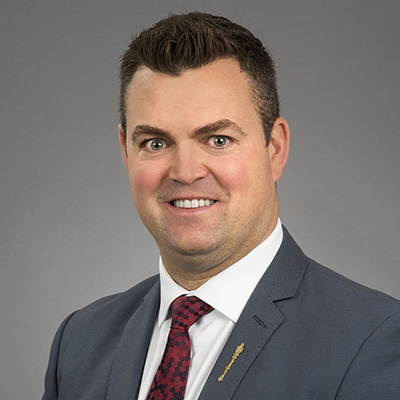
Hon. Robert McKee, K.C.
Minister of Justice
Rob McKee, a lifelong Moncton Centre resident, has a rich history of public service. He was first elected City Councillor in 2016, elected MLA for Moncton Centre in 2018 and re-elected in 2020 and 2024.
He held key roles within the Official Opposition, including critic for the Justice, Finance, and Health portfolios, and has served as Leader of the Official Opposition.
On November 2, 2024, Mr. McKee became the Minister of Justice and Attorney General and Minister responsible for Addictions and Mental Health Services.
With a strong legal background, Mr. McKee is an experienced trial and appeals lawyer having represented clients at all levels of court in New Brunswick and has successfully argued at the Supreme Court of Canada. He is fluent in both official languages and holds degrees from l’Université de Moncton and the University of New Brunswick.
Beyond politics and law, Mr. McKee is an active community member, having served in various roles, including President of St. Augustine’s Housing Ltd., chairperson of the Mental Health Review Board and director with the John Howard Society. He has served breakfast at Queen Elizabeth School, worked the drop off zone at École Saint-Henri and is also a volunteer hockey and ringette coach.
He is a third generation McKee to be elected to the New Brunswick Legislature as his father and grandfather were both Members of the Legislative Assembly. Michael McKee represented Moncton North from 1974 to 1992 and Killeen McKee represented Kent from 1940 to 1950.
Mr. McKee is a devoted husband to Tara and proud father to Michael and Anna.
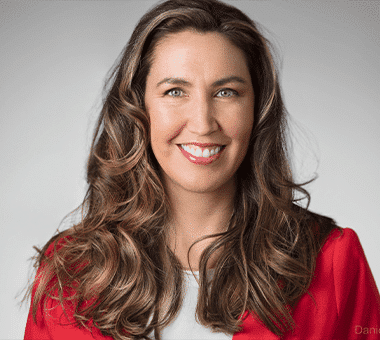
Angela Gevaudan
WWC Ambassador
Greater Sudbury, Ontario
A sensitive and intuitive soul, Angela has a heightened awareness of her experiences and the experiences of others. Her lived experience with trauma is rooted in intergenerational trauma, continued through her childhood and was impactful to the point of a post traumatic stress injury following a traumatic loss.
As a former 911 communicator/dispatcher, she was quite impacted both professionally and personally by the loss of her late husband and their two colleagues and friends who were all assassinated in the line of duty on June 4, 2014. The more she learns about trauma, the more she realizes how it has shaped her way of being in so many ways. That her need to feel safe often takes priority in any given situation and she continues to work towards feeling safe within herself. Through her post traumatic stress injury, she’s been able to learn a lot from her peers and various health practitioners. The symptoms she’s experienced with this injury have been and can be scary at times. Knowing how difficult it can be, and needing to understand this injury for herself has also driven her to try and be helpful to other first responders with injuries, to surviving families and to advocate for the health and safety of those who serve our communities.
In recognizing her own need for help with her traumatic grief and with the intention to honour the experiences of her fellow surviving spouses – she was able to contribute to the development of the Wounded Warriors Canada Surviving Spouse Program. She hopes that with the work she does, she is able to honour the gift of her Mi’kmaw spirit name. “As I connect with the spirit of my name, White Eagle Dove, I understand that this gift is what I must strive to live up to and continuously choose to work towards. That is – to have the courage to connect to that which is pure within me, within all of us. To have the strength of the seer, the warrior in order to carry prayers to the creator. To find inner peace within myself – in all ways and with all things, so that others may also feel invited to find peace within themselves.”
Angela is grateful beyond words to have had the privilege to contribute to and participate in the first delivery of the SSP. She is both grateful and relieved to know that her fellow surviving spouses will have the opportunity to explore their traumatic grief safely and with the appropriate support.
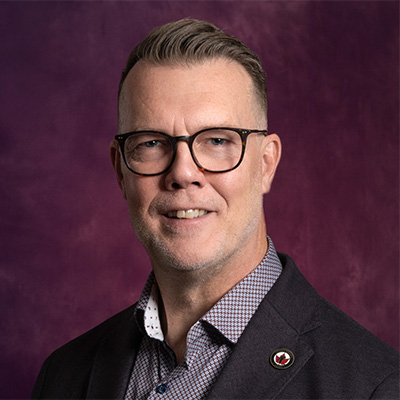
Dr. Tim Black PhD, R. Psych.
National Clinical Director
Wounded Warriors Canada
Dr. Tim Black, R. Psych. is the National Clinical Director for Wounded Warriors Canada. During his more than 20-year career as a tenured Associate Professor at one of the top graduate counsellor education programs in the country, Dr. Black has been a researcher, clinician, program developer, program co-founder, and clinical supervisor specializing in group counselling approaches for working with Trauma Exposed Professionals (TExP) and Trauma Exposed Family (TExF) members. As National Clinical Director, Tim supports and oversees the development and delivery of WWC’s group counselling programs in Canada, as well as WWC’s TExP education and training programs, alongside an extensive team of dedicated mental health professionals committed to serving the needs of TExP and TExF communities.

Dr. Heidi Cramm, PhD, OT Reg. (Ont.)
Research Lead, Families Matter Research Group & Garnet Families Network
Queen’s University
Heidi Cramm is Professor, School of Rehabilitation Therapy, Queen’s University and a registered occupational therapist. She is the lead for Garnet Families, the hub for first responder, public safety, and defence families, and those who study, serve, and support them. She is the research lead for the interdisciplinary Families Matter Research Group, working in tandem with its Garnet Families Network. As Project Director for the Garnet Families Partnership, funded through to 2031, she leads this collaboration that grows the community, creates knowledge, and advances research training. She has published more than 130 peer-reviewed articles and publications primarily dedicated to the mental health and wellbeing of defence and public safety families. She has completed more than 300 regional, national, and international presentations and received over $11M in competitive research funding as a Principal or Co-Principal Investigator. Dr. Cramm has been recognized with multiple distinguished research and leadership awards, including the 2018 Canadian Association of Occupational Therapists’ Leadership Award and the 2021 Mihran and Mary Basmajian Award for Excellence in Health Science Research. She is also the Co-Principal Investigator for PSPNET Families (pspnetfamilies.ca), an online wellbeing hub for public safety families. As a longtime PSP spouse, she understands what it is like for families to be “on the job”.

Dr. Sara Rodrigues, PhD
Applied Research
Atlas Institute for Veterans and Families
Sara Rodrigues, PhD is Director of Applied Research at the Atlas Institute for Veterans and Families and Adjunct Professor, School of Psychology, University of Ottawa. Her research program focuses on the social determinants of mental health, with a current focus on the well-being of Veterans and Families. Her work has been published in European Journal of Psychotraumatology, Human Studies, International Journal of Feminist Approaches to Bioethics and she is co-editor of On the Politics of Ugliness (Palgrave MacMillan). She serves as an Associate Editor at the Journal of Military, Veteran and Family Health (JMVFH) and as Co-Chair of the Moral Injury Research Community of Practice at the Atlas Institute for Veterans and Families. She received her PhD in Social and Political Thought from York University.
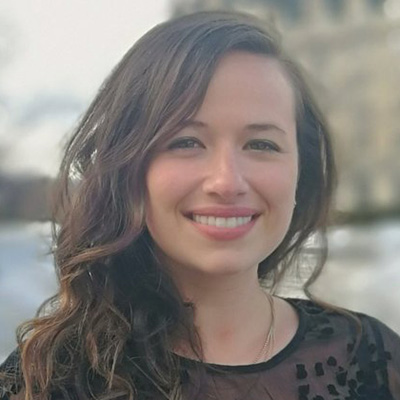
Dr. Stephanie Houle, PhD, C.Psych
Associate Scientist
MacDonald Franklin OSI Research and Innovation Centre
Stephanie Houle, PhD, C. Psych is a clinical psychologist and researcher with the MacDonald Franklin OSI Research and Innovation Centre. Her research focuses on the psychological impact of traumatic and morally injurious experiences, with a keen interest in understanding how moral injury research can be applied to advance clinical practice. She is currently Co-Chair of the Moral Injury Research Community of Practice at the Atlas Institute for Veterans and Families, and also conducts mental health research with the Veterans Affairs Canada Research Directorate. Dr. Houle’s clinical specializations include the assessment and treatment of operational stress injuries, as well as the treatment of mental health problems among individuals suffering from concurrent physical health conditions.
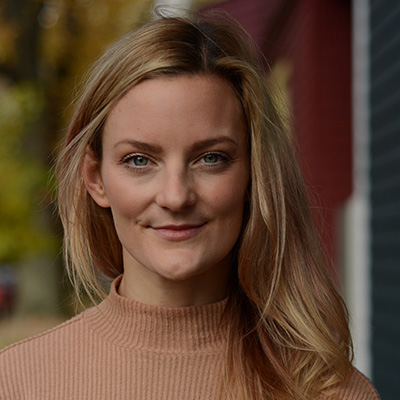
Jessica Lynn Wiebe
Jessica Lynn Wiebe draws from her lived military experience in the Canadian Armed Forces (CAF) to create interdisciplinary artwork that centres on militarism, military life, and commemoration. This work is often gritty, in concept, materials, and approach. Wiebe’s work reveals the messiness and chaos that is war in hopes of encouraging dialogue on war and conflict. By listening to others’ lived experiences we begin to know ourselves more deeply. Recently, Wiebe participated in the Canadian Forces Artist Program (CFAP) through the Canadian War Museum (CWM) where she was embedded with the CAF as an artist in Ukraine. This work was exhibited at the CWM in November 2023.
In addition to her art practice, she is a yoga instructor trained in vinyasa, hatha, yin, and restorative yoga with over 400 hours teaching in studio. Through art, yoga, mindfulness and movement she supports and loves working with the veteran and first responder community by sharing the tools that she has gathered over the years that help manage the stress that comes with those lines of work.
Dustine Rodier
Superintendent
RCMP
Superintendent Dustine Rodier began her career with the RCMP in 1994 as a police dispatcher for the RCMP in Surrey, BC. In 2000, she joined as a regular member and spent the first half of her career in the Lower Mainland as a team leader in Serious Crimes.
In 2013, she transferred to Federal Serious and Organized Crime in New Brunswick as a Team Leader/Investigator on organized crime, proceeds of crime and money laundering investigations. In 2016, Dustine was promoted to Sergeant as the Detachment Commander for Hampton, NB and was responsible for overseeing the contract policing requirements for the community.
In 2018, she was promoted to Nova Scotia as Inspector in charge of Operation-al Support and Communications Centre and led the project building the RCMP’s newest state-of-the-art 911 dispatch centre. In 2021, Dustine was assigned as the Executive Officer to the Commanding Officer where she worked on Divi-sion-wide initiatives supporting the Force’s mandate across the province. She led the development of policies and procedures surrounding public notification during critical incidents for the RCMP in NS. She also assisted other Divisions and then nationally in the development of new RCMP policies and processes for the use of public alerting systems by police.
In May 2022, Dustine was promoted to Superintendent and took on the role as the Administration and Personnel Officer, responsible for human resources, security, employee wellness and business planning for the Nova Scotia RCMP. A strong advocate and champion for mental health, Dustine continues to work with experts in the field of care and treatment of those suffering from PTSD and work-related stress injuries. Dustine openly shares her personal story to employees of all levels across the RCMP and other first responder agencies to raise awareness and effect change.
In April 2025, Dustine was posted to RCMP National Headquarters where she is now the national Senior Strategic Advisor at Occupational Health and Safety Branch. In this role, she is providing expert advice and promoting coordination in the advancement of psychological supports, workplace health and safety, physical well-being and other initiatives that improve the overall resilience of members.
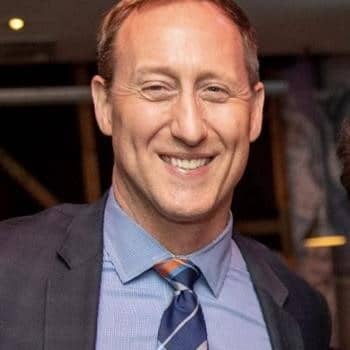
The Hon. Peter MacKay
Vice-Chairman
Wounded Warriors Canada
The Honourable Peter MacKay served in the Parliament of Canada for over 18 years as a Member of Parliament, including Cabinet Minister in the Harper Government for 10 years, as well as Minister of Justice and Attorney General, Minister of National Defense, Minister of Foreign Affairs, and the Atlantic Canada Opportunities Agency. Mr. MacKay chaired the Government National Security Committee for almost 10 years and served on numerous other inter-parliamentary committees. Prior to politics he served as a Crown Attorney. He is now working as a Strategic Advisor with Deloitte Canada and Counsel with McInnes Cooper, an Atlantic Canadian law firm. He works nationally and internationally in areas such as aerospace and defense, procurement, infrastructure, and justice reform.
Peter serves as a Board Member for Cielo Waste Solutions Corp. and on numerous volunteer boards including Wounded Warriors, Boost Child & Youth Advocacy the Canadian Global Affairs Institute, and the Canada United States Law Institute. Peter is a loving husband to Nazanin and father to their 3 children Kian 9, Valentia 6, and Caledon 3. He lives by the sea in Kings Head, Nova Scotia, with two dogs and two cats.
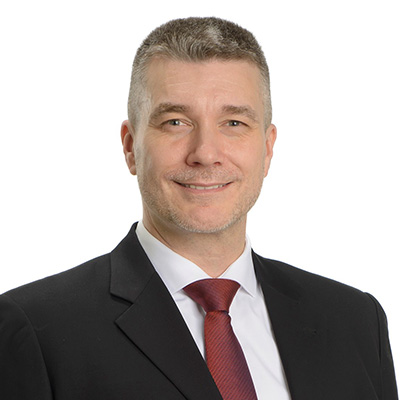
Dr. R. Nicholas Carleton, Ph.D., R.D. Psych.
Professor of Clinical Psychology
University of Regina
R. Nicholas Carleton, Ph.D. is a Professor of Clinical Psychology and a registered clinical psychologist in Saskatchewan. His work is focused on supporting the mental health of first responders and other public safety personnel. He has published 300+ peer-reviewed articles and book chapters exploring the fundamental bases of anxiety- and trauma-related disorders, cited 25K+ times. He has completed 600+ national and international conference presentations. He also serves as an active member of several national and international professional associations. As principal or co-principal investigator he has been awarded $110M+ in competitive external funding. He has received several prestigious awards and recognitions, including induction to the Royal Society of Canada’s College and as a Fellow of the Canadian Academy of Health Sciences, the 2020 Royal-Mach-Gaensslen Prize for Mental Health Research, and the 2023 Saskatchewan Health Research Foundation Mid-Career Award, as well as Canadian Psychological Association Awards for Distinguished Contributions to Psychology as a Profession and Distinguished Contributions to Public or Community Service. He is principal investigator for the RCMP Longitudinal PTSD Study (www.rcmpstudy.ca) and the associated extension study for Saskatchewan public safety personnel (www.saskptsistudy.ca), and co-investigator on the Federal Internet Cognitive Behavioral Therapy Program for public safety personnel (www.PSPNET.ca).
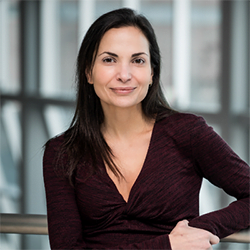
Dr. Rosemary Ricciardelli, PhD
Professor (PhD) and Research Chair in Safety, Security, and Wellness
Memorial University of Newfoundland
The winner of the 2023 International Corrections and Prison Association’s Research Excellence Award, the Canadian Sociological Association’s Angus Reid Applied Researcher Award, and the President’s Award for the International Community Justice Association in 2024. Ricciardelli was also elected to the Royal Society of Canada and is a Fellow of the Canadian Academy of Health Sciences. Her research centers on evolving understandings of the needs of public safety professional across sectors, their leaders, and those who experience systems of justice with a focus on occupational and posttraumatic stress injuries, vulnerabilities, and risk. She studies public health and public safety, where as a sex and gender researcher, her interests lay in the supporting societies through empowerment of the frontlines for positive community impacts always informed by evidence. She leads a longitudinal study, in year eight, on the mental health and well-being experiences of correctional officers employed by Correctional Services Canada and has participated in correctional officer training with the Service. She works in partnership with all Correctional Services in Canada as well as the Uganda Prison Service, Michigan Department of Corrections, Ontario Association of Fire Chiefs, and the Texas Juvenile Justice Department, the Canadian Security Intelligence Service, as well as many other youth justice and health organizations, and co-directs MicroResearch, particularly focused on expanding the practices to include leaders and in public safety sectors. ScholarGPS ranks her as among the most influential (ranked 1st) social scientists in Canada and has ranked her 10th internationally in her discipline. She is listed as in the top 2% of cited scholars by Stanford.
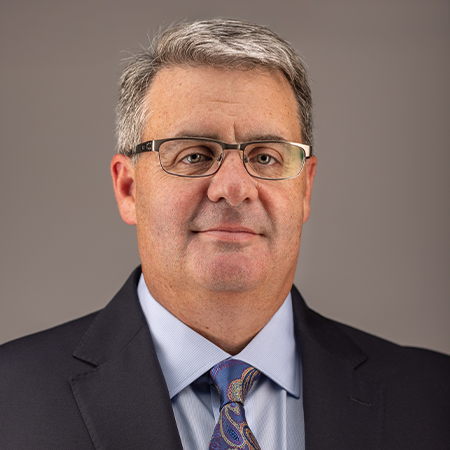
Matthew Pegg
Chief Operating Officer
Warrior Health
In November 2024, Matthew Pegg joined the Warrior Health team as Chief Operating Officer, following a 32+ year career as a Firefighter and Fire Chief. From 2016 through 2024, he served as the Fire Chief in the City of Toronto, Canada. Toronto Fire Services is the largest fire service in Canada and one of the largest in North America, with more than 3,250 career staff who respond to more than 184,000 emergency incidents each year.
From March 2020 through April 2022, Chief Pegg served as the City of Toronto’s COVID-19 Incident Commander, leading the development and continued operation of one of the most complex incident management systems in North American history. This included leading the longest-ever continuous deployment of Toronto’s Emergency Operations Centre, as well as the development and operation of Toronto’s COVID-19 Immunization Task Force and development of the Provincial playbook for vaccine clinic operations.
Prior to being appointed as Fire Chief in Toronto, Chief Pegg served as a Deputy Fire Chief in Toronto, Brampton, Ajax, and Georgina, and he is also a licensed mechanic and a commercial pilot, having also worked in both industries. Chief Pegg is a graduate of Dalhousie University in both Leadership and Administration, Queen’s University in Labour Relations, and the Schulich School of Business’ in Public Management. He is a recipient of the Heroism and Community Service Medal, Ontario Medal of Firefighter’s Bravery, the Canadian Fire Service Exemplary Service Medal, and the Ontario Fire Services Long Service medal.
Matt is a strong advocate for mental health and has worked tirelessly to break down the stigma faced by those who seek professional help to both get and stay healthy and resilient. Leveraging his experience and passion as a public safety professional, Matt now leads the Warrior Health consortium in delivering proactive resilience and mental health resources, training and support for public safety personnel across Ontario.
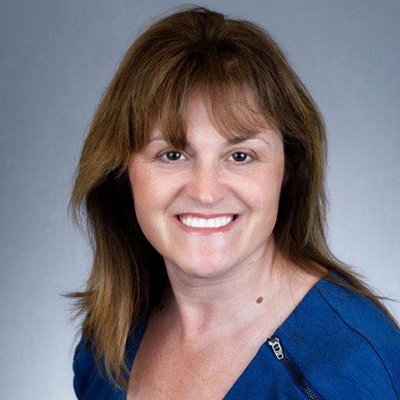
Toni Harrington, MSW, MSc., DSc(c)
Assistant Vice President Mental Health Innovation
Homewood Health Inc.
Toni is the AVP of Work Focused Mental Health Innovation at Homewood Health within Workplace Intervention and Clinical Services. Toni is responsible for providing the vision and leadership required to execute and deliver high-quality, accessible, and integrated work-focused mental health and addictions programs across the country. For over two decades, Toni has dedicated her work to changing the trajectory of health for working Canadians by ensuring optimal and accountable care through evidence-based occupational and organizational health practices. Toni holds a Bachelor’s and Master’s of Social Work from Memorial University of Newfoundland. Toni also holds a Master’s of Occupational Health Science from McGill University and is currently a doctoral candidate at Queen’s University. Toni hopes to defend her research in the fall of 2025. Toni’s research identified the key components of a practice framework for case managers working with public safety personnel.

Shannon Remers, MSc
Senior Director Research, Quality and Outcomes
Homewood Health Inc.
With over 15 years of dedicated service and experience in the mental health and addictions sector, Shannon is an effective and highly experienced professional, researcher, and presenter and serves as the Director of Research, Quality and Outcomes at Homewood Health Inc.
Within her role as Director, she leads innovative research initiatives to optimize treatment outcomes and utilizes her expertise to improve treatment across Homewood’s Continuum of Care. Her primary focus is integrating best practices into various treatment programs, defining and implementing measurement-based care and employing psychometrics to tailor treatment plans effectively.
In addition to her role at Homewood, she is a Collaborating Researcher with the Homewood Research Institute and an Adjunct Professor in the Department of Psychiatry and Behavioural Neurosciences at McMaster University. Her academic background includes a Master of Science in Cognitive Neuroscience from Wilfrid Laurier University, a Bachelor of Science in Biology and Psychology, complemented by a diploma in Forensics Science from Saint Mary’s University.
Shannon’s work is driven by a passion for advancing mental health treatment through rigorous research and evidence-based practices.

Dr. Nadia Aleem
Psychiatrist, MD, MHSc CCFP, FRCP
Mental Health Lead
Insight Health Solutions, Trillium Health Partners
Dr. Nadia Aleem initially worked as a Family medicine Doctor and Addictions Physician prior to retraining and starting her work as a Psychiatrist. She is currently the Mental Health Lead Physician at Insight Solutions, Trillium Health Partners and was formerly the Medical Head at the Work Stress and Health Program at the Centre for Addiction and Mental Health. Nadia works exclusively in the field of Occupational Psychiatry, specializing in disability management and providing consultation and education on workplace mental health policies. She is an Assistant Professor at the University of Toronto and provides education seminars to organizations and medical training programs across Canada.
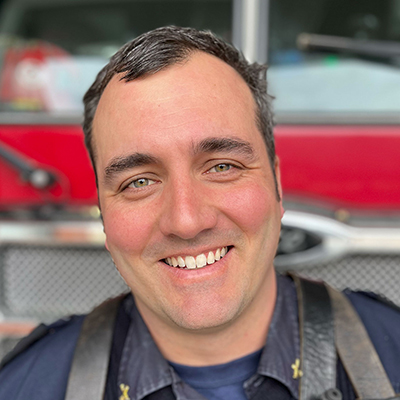
Mike Sears
Captain
Halifax Professional Firefighters I.A.F.F. L268
Mike Sears is a dedicated firefighter based in Halifax, Nova Scotia, with a deep commitment to serving his community through resilience, teamwork, and compassion. Born in Halifax but raised in Dartmouth Nova Scotia, Mike grew up with a strong sense of duty and a desire to make a difference. This drive led him to pursue a career in firefighting, where he has become known for his unwavering work ethic, problem-solving skills, and ability to remain calm under pressure. Mike is currently assigned to a Technical Rescue Company in Halifax at the rank of Captain.
With 21 years of experience in emergency response, Mike has been involved in a wide range of challenging scenarios. Beyond his technical skills, Mike places a high value on mental health and well-being within the fire service, advocating for peer support and resilience training, as well as, coverage for members with no barriers to care to help his colleagues navigate the stresses of their demanding roles.
Outside of his work, Mike is an active member of his community, donating his time for the charity Fight4Life as a Founder and current President and is also the Government Affairs Liaison for the Halifax Professional Firefighters I.A.F.F. Local 268. In his downtime, he enjoys exploring the scenic beauty of Nova Scotia, spending time with family, and staying active through hunting, fishing, and anything else that brings him into nature.
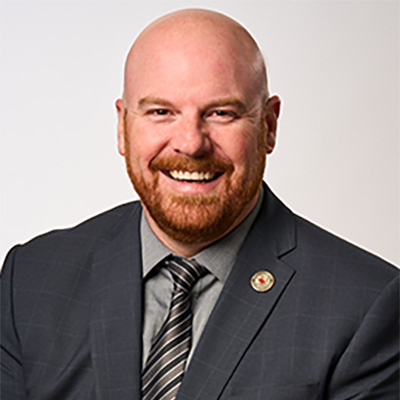
Pat Bouchard
Director, Atlantic/Central Region
National Police Federation
Pat joined the Mounties in 2002. He had previously worked as a casino dealer, a jail guard and a protection officer for the Royal Canadian Mint. His 18-year RCMP career has been entirely (minus a few secondments) in GD frontline policing. He has served in large Municipal Detachments, small rural towns and in isolated posts above the Arctic circle.
Having been involved in the labor movement prior to joining the RCMP, Pat always believed there were ways to improve employee relations within the RCMP. He had the advantage of joining the RCMP at a time when salaries were competitive. Never shy about speaking his mind, he often spoke out about the issues that affected him and his fellow Members. Throughout the years, those issues grew in magnitude and scope (dwindling pay, resource levels, equipment and training, inconsistent application of policy, lack of policy). Tragedy struck in 2014 and Pat was closely involved in the Moncton shootings. This was the “straw that broke the camel’s back” for him. It was clear that change was needed, and it was not going to come from within the RCMP. Pat was very pleased when he was afforded the opportunity to join the NPF to help the RCMP become the best version of itself.
Derek Cassista
Deputy Registrar
Paramedic Association of New Brunswick
Derek is the Deputy Registrar of the Paramedic Association of New Brunswick. PANB represents over 1200 practitioners as the regulatory body and professional advocacy organization, advancing the role of paramedics within healthcare and public safety.
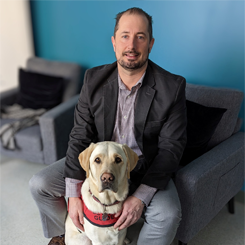
Mike Annan
Director of Service Dogs
BC & Alberta Guide Dogs
Mike Annan resides in Nanaimo, British Columbia on Vancouver Island. Mike, began his career in 2004 by founding Sal Pacific Canine Obedience, where he led a team of trainers and developed puppy and competition-level obedience programs. His LIMA-based, positive training methods attracted up to 120 dogs in classes each month.
In 2008, Mike partnered with Dr. Jeff Grognet, DVM, to launch the Academy for Canine Educators (ACE), a behavior clinic and online education platform serving veterinarians, pet owners, and shelter workers. Their programs included seminars, e-books, and training courses delivered to organizations such as the BCSPCA.
In 2013, Mike was invited to pilot a service dog program for military veterans with PTSD. The project grew rapidly, leading to the creation of VICD Service Dogs. Mike oversaw the program’s first Assistance Dogs International accreditation in 2017—making it one of the first organizations in the world to be accredited under ADI’s Military-Related PTSD Service Dog Standards.
In 2019, VICD Service Dogs merged with BC & Alberta Guide Dogs, expanding operations to include Vancouver Island, Vancouver, The Lower Mainland, Edmonton and Calgary. Mike now serves as an ADI Accreditation Assessor, trainer certification committee member, and Wounded Warriors Canada National Service Dog Advisor. Mikes passion for championing collaboration and excellence in service dog programs has led him to help build OSI PTSD programs around the globe mentoring programs across Canada as well as Japan, Sweeden, USA, Australia and Poland.
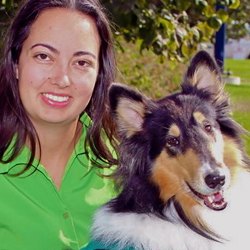
Dr. Kristine Aanderson, PsyD, R. Psyc (AB)
Mental Health Director - VICD Service Dogs BC & Alberta
Dr. Kristine Aanderson is a Registered Psychologist and a leading expert in the intersection of mental health and service dog interventions for first responders and veterans. With a Doctorate of Clinical Psychology and specialized training in behavioural health of trauma exposed professionals, she brings nearly 20 years of experience working with individuals affected by operational stress injuries, PTSD, and trauma-related conditions.
Dr. Aanderson serves as the Mental Health Lead for BC & Alberta Guide Dog’s Operational Stress Injury programs, where she collaborates with trainers, instructors, clinicians, and clients to create and deliver evidence-based, ethically grounded interventions with service dogs and the individuals they support. Through the innovative Operational Stress Intervention Dog program, she is expanding working dog support to be more than just a therapeutic resource after trauma, but also as a preventative mitigation strategy for trauma exposed professionals.
She is also the creator of the Aanderson Service Dog Prescriber Guidelines and was the co-chair of the Canadian General Standards Board committee responsible for developing national service dog standards. A sought-after speaker across Canada, the United States, and the United Kingdom, Dr. Aanderson is dedicated to advancing compassionate, research-informed solutions that strengthen the resiliency and assist in the recovery of first responders.
Joe Triff
President, Atlantic Provinces Professional Fire Fighters Association
Joe began in the fire service with HRFE in 2002 as a paid on call/volunteer. In 2003, he attended the Maritime School of Paramedicine for their Primary Care Paramedic program. Joe worked as a Paramedic for several years in Industrial, Hospital and Pre-hospital settings. In 2008, he was hired by HRFE as a firefighter. In 2013 Joe got involved with his Union, Halifax Professional Fire Fighters, IAFF Local 268. He has held multiple offices and is currently in his 3rd term as Vice President in a local of almost 600 members. Joe also currently serves as the President of the Atlantic Provinces Professional Firefighters Association, representing over 1500 members in 4 provinces. Joe works as a Captain with the Technical Rescue Team at fire station 7 in Halifax
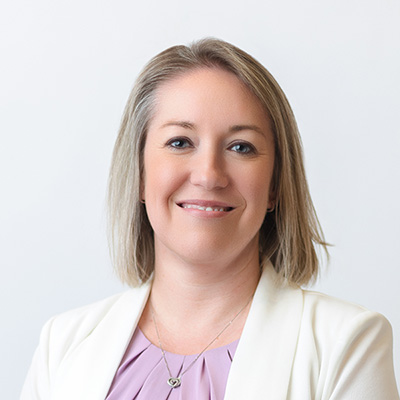
Allison Wyatt, B.A.S., CRSP
Director, Claims & Compensation
WCB PEI
Workers’ Compensation Board of PEI Director of Claims and Compensation, Allison Wyatt is a respected executive with 18+ years of experience in public sector health care and return to work, with a track record of achieving results. As a strategic thought leader with a skill for problem-solving, she leads teams in the pursuit of a common vision. A skilled negotiator with a strong moral compass and political acumen, successfully navigating the growth and creation of complex corporate teams. An engaging communicator proficient at managing even the most contentious issues with calm and tact, Allison is a passionate individual who puts people first and is committed to life-long learning, the betterment of community, and the next generation of leaders.
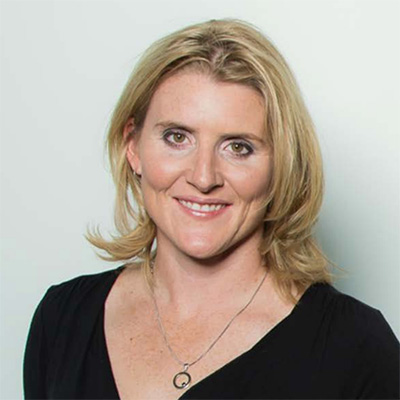
Dr. Hayley Wickenheiser
Four-time Olympic Gold Medalist | Member of the Hockey Hall of Fame
Dr. Hayley Wickenheiser is considered one of the best female hockey players of all time. Canada’s all-time leading scorer, she has won seven world championships, made six Olympic appearances, and won five Olympic medals — four of them Gold. Today, Wickenheiser is the assistant general manager of player development for the Toronto Maple Leafs as well as a community leader, medical doctor, and businesswoman who inspires audiences to give their best in everything they do.
A first-ballot Hockey Hall of Fame inductee, Wickenheiser’s hockey IQ is highly respected in both the male and female game. She made hockey history as the first female player to notch a point in a men’s professional game and as the first woman in history to play in or coach at four NHL development camps with the Philadelphia Flyers, the Edmonton Oilers, and the Toronto Maple Leafs.
Wickenheiser’s ascent to the top of her sport started in Shaunavon, Saskatchewan where at age 15 she became the youngest member chosen for the Canadian Women’s National Team. Her Olympic career spanned 23 years and two sports as she also competed in softball at the 2000 Games. In 2014, Wickenheiser was Canada’s official flag bearer at the Sochi Olympics and she also served on the International Olympic Committee’s Athletes Commission.
In 2017, Wickenheiser announced her retirement from the national women’s hockey team. In addition to her work with the Leafs, she is now a medical doctor practicing family and emergency medicine — a pursuit she has dreamt of her whole life. She is also a bestselling author having released her first book Over the Boards: Lessons from the Ice in 2021.
Wickenheiser has earned many accolades throughout her career, including being named on Sports Illustrated’s “Top 25 Toughest Athletes in the World” and twice named to their “Power 50 in Sports” list. She is also one of QMI Agency’s “Top 10 Greatest Female Athletes in the History of Sports”, a member of the Saskatchewan Sports Hall of Fame, one of Canada’s “Top 40 Under 40”, and an inductee in both Canada’s Sports Hall of Fame and Canada’s Walk of Fame. In 2014, Wickenheiser was awarded Canada’s highest honour when she was appointed to the Order of Canada in recognition of her athletic achievements and contributions to the growth of women’s hockey.
Wickenheiser’s passion for sport is paralleled by her desire to give back to the community through her work with dozens of philanthropic organizations, including Jumpstart, KidSport, and Right to Play — organizations dedicated to ensuring kids of all financial and cultural backgrounds can play sports. She is also the founder of the world-renowned personal and athletic development weekend, The Canadian Tire Wickenheiser World Female Hockey Festival, which provides mentoring and growth opportunities for young athletes around the world.
Wickenheiser holds several honourary degrees from institutions across Canada, as well as a Masters in Kinesiology from the University of Calgary, where she also earned her degree in medicine.
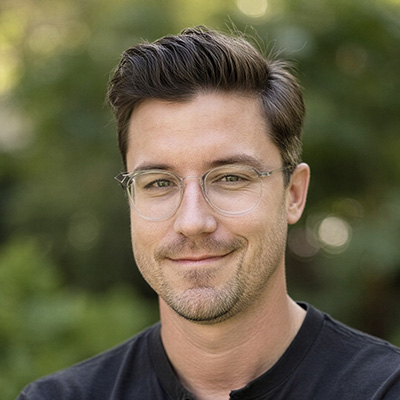
Shawn Carter, M.ADS., BCBA, D.Sc(c)
National Director, EHN Guardian Clinical Programs
EHN Canada
Mr. Shawn Carter is a doctoral candidate and National Director of EHN Guardians Clinical Programs as well as Executive Director of EHN Guardians Gateway. His research efforts explore bridging the gap between first responders and their significant others while they're receiving residential care for trauma and substance use issues.
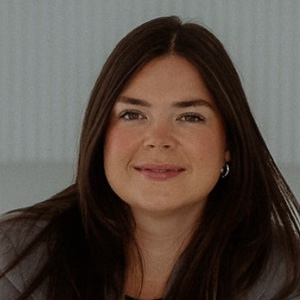
Emma Vester
EHN Guardians National Research Coordinator
EHN Canada
Ms. Emma Vester is a registered psychotherapist and research coordinator who works exclusively with first responders and their loved ones. She also is a family member of a first responder who has grown up understanding the family tie to this workplace culture.
Honourable Rob Lantz
Premier of Prince Edward Island
Rob Lantz serves as the 34th Premier of Prince Edward Island, continuing in the role following his reappointment in February 2026.
A lifelong resident of District 13, Charlottetown–Brighton, Premier Lantz attended local schools and is a graduate of both the University of Prince Edward Island and Holland College. He and his wife, Kelly, have raised their two sons, Brodie and Ronan, in Charlottetown–Brighton.
Before entering provincial politics, Premier Lantz served two terms on Charlottetown City Council representing Charlottetown–Brighton and has contributed to community organizations such as the United Way and the Colonel Gray Education Foundation.
In the private sector, he has worked as an advisor, partner, and investor in emerging business ventures in the bioscience, sports technology, and renewable energy sectors, and has provided consulting services in the information technology field.
Premier Lantz was elected as the Member of the Legislative Assembly for District 13 on April 3, 2023. He has previously served as Minister of Housing, Land, and Communities, and in October 2024 he was appointed Minister of Education and Early Years. He first assumed office as Premier on February 21, 2025.
Brian Bennett
ICISF Approved CISM Instructor,
Organization: Critical Incident Stress Management (CISM) Training Canada
Brian Bennett has more than 16 years of experience in Critical Incident Stress Management (CISM) and is an ICISF "International Critical Incident Stress Foundation" Approved CISM Instructor in several course offerings. He is also a Registered Massage Therapist based in Collingwood, Ontario. He has responded to critical incidents in the ski and sports world and has been teaching and presenting for over 12 years across Canada and internationally, delivering more than 195 courses and presentations to audiences including airlines, municipal staff, fire, EMS, healthcare, industry, and First Nations communities. Brian has been a paid and volunteer member of the Canadian Ski Patrol for 36 years, and national coordinator for their CISM. Brian has held senior medical leadership roles at major international sporting events, including the Toronto 2015 Pan Am and Parapan Am Games, the Invictus Games, Canada Summer Games, 2010 Vancouver Olympics, and the Gold Coast 2018 Commonwealth Games, where he developed and delivered a Medical Staff Support (CISM) Program supporting over 1,400 medical volunteers. Brian attained his NFPA 1001 FF1 &2, Known for his engaging presentation style, Brian focuses on practical strategies to support staff and build resilient, supportive workplaces.
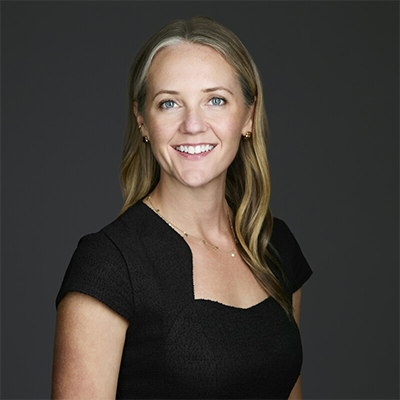
Cassandra Sampson
Assistant Vice-President National Treatment Partnerships
Homewood Health
As a senior leader in the mental health and addiction sector, I lead a national team that partners with healthcare professionals, employers, case managers, and health service departments to connect individuals with the care and support they need. Our focus is on building strong, trusted relationships that help organizations achieve their mental health objectives while improving access to high-quality treatment for those struggling with mood, anxiety, trauma, addiction, and concurrent disorders. I’m passionate about empowering my team to succeed through collaboration, curiosity, and accountability. Together, we identify opportunities for growth, strengthen referral pathways, and deliver consistent communication and service excellence to our partners. By understanding both business priorities and human needs, we help bridge gaps in care and create sustainable impact across the health system.
Jason Snow
Crime Analyst
Halifax Regional Police